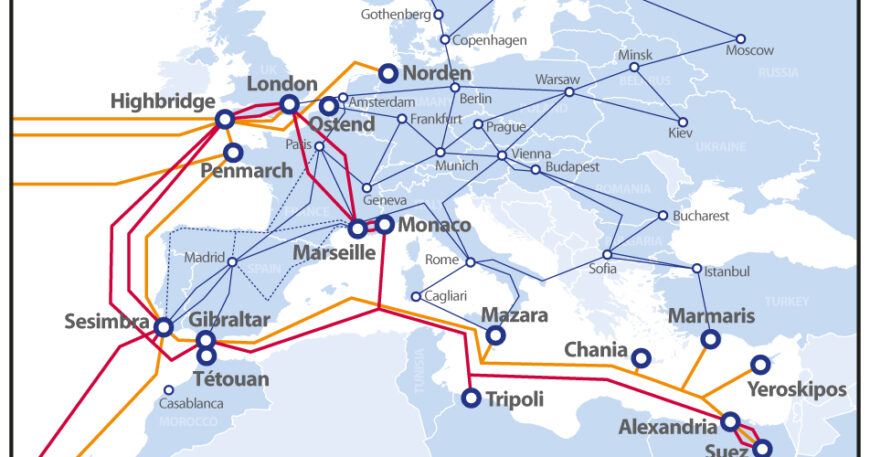
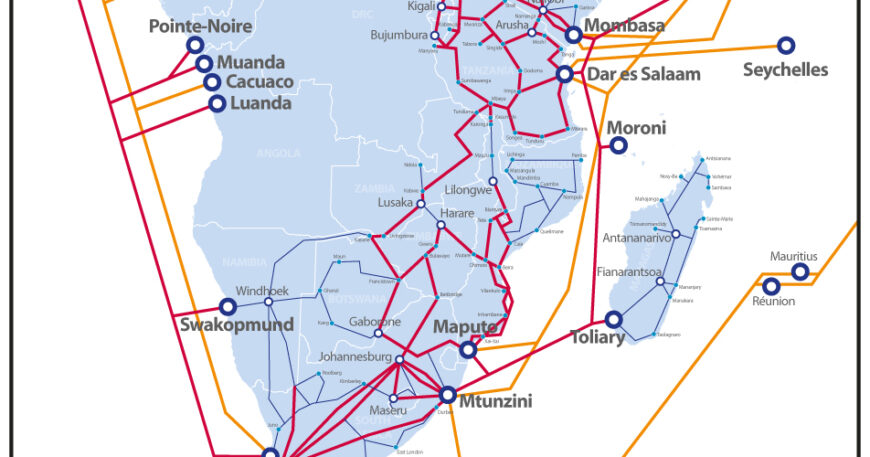
Every provider will tell you their network is redundant. Redundancy is a property of a physical path, not of a proposal, and there are five questions that separate the two.
For most of the last decade, keeping records in Somalia meant a server in a room nobody had designed for one. That was not a choice anybody made — it was the absence of an alternative, and the alternative now exists.
Data residency arguments tend to produce one of two bad outcomes: nothing moves, or everything does. Neither is right, and the sorting rule is simpler than most migration plans assume.
Satellite is sold hardest to the people who need it least. Four situations where it is genuinely the correct engineering choice — and the cases where we would tell you to take fibre and spend the difference elsewhere.
Putting a base station in a town is the easy part. Getting its traffic back to a core network, in a country where most of the route has to be built rather than leased, is what decides whether the site ever gets built.
Somalia runs one of the most mobile-money-dependent economies in the world, which makes the network underneath it systemically important. For a financial institution, network design is a settlement-risk question wearing a technical costume.
A digital public service is only as sovereign as the building its records sit in. Four questions settle it, and none of them are answered by a clause in a contract.
A contribution feed does not care what your peak speed is. It cares whether the capacity is there for the whole duration, every time — which is a different product from the one most providers sell.